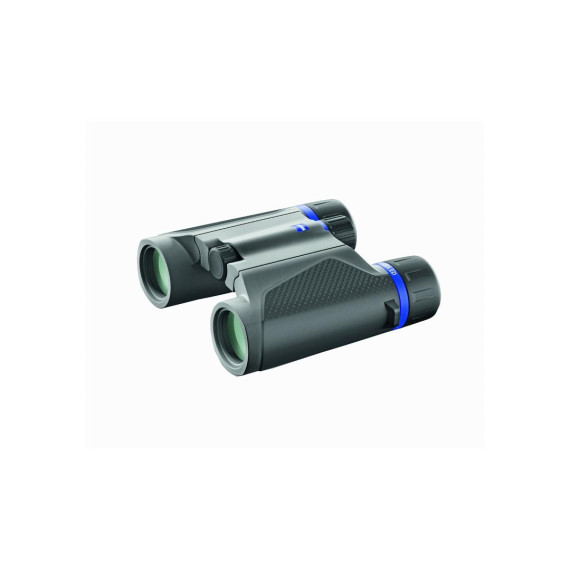
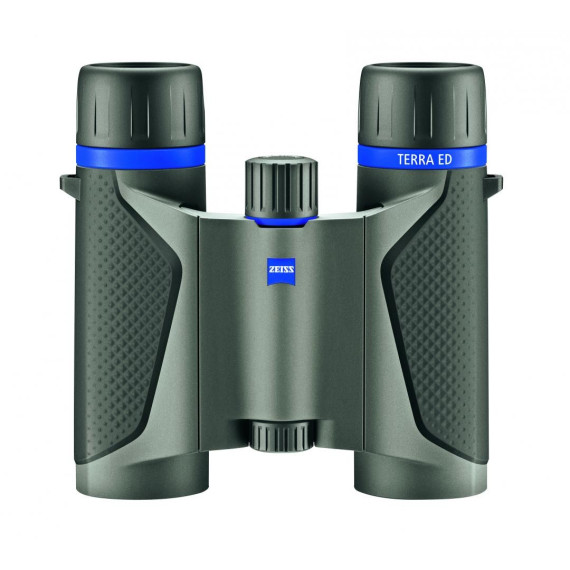
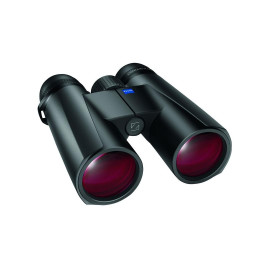
Zeiss quality within everyone's reach The Zeiss Terra ED Compact are compact, lightweight and waterproof binoculars. Weighing just 310 grams , they are the ideal companion for activities in the nature/outdoor segment. Its large field of view offers detailed images with a high level of contrast , due to exceptional optical quality thanks to Schott ED glass. Characteristics model 8x25
Question: Olá,
Não encontro nenhuma descrição dos acessórios dos binóculos Zeiss Terra ED 8x25.
Seria possível descreverem-me que acessórios vêm com os binóculos (correia, tampas para lentes, bolsa, etc...)?
Cumprimentos,
Pedro Santos
Pedro Santos
Answer: Incluyen dos cintas para poder colgarlos al cuello, no incluyen tapas ni bolsa de transporte.
Los prismáticos Vortex Crossfire HD, ofrecen una gama de prismáticos de gran apertura, especialmente diseñados para la observación de la naturaleza en espacios abiertos. (El Crossfire 10 x 50 especialmente diseñados para caza y visión dentro de bosques tupidos). El nuevo sistema óptico HD...
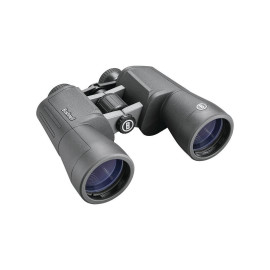
Los Prismáticos Bushnell Powerview 2 - 20x50 cuentan con lentes multi capa para una visión de calidad, adaptador para trípode, tapas protectoras, cuerpo de aluminio de gran durabilidad, armadura de goma de protección contra golpes y gran agarre, rueda de enfoque fácil de ajustar, y un diseño...
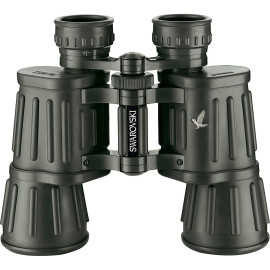
Robusto, ligero y ergonómico, el Prismático Sawrovski Habitch te garantizarán las observaciones más descansadas y una total resistencia al agua y las condiciones adversas.
Sus prismas de porro, enfoque central de sencillo manejo y ajuste preciso y estable logran una alta transmisión de luz...
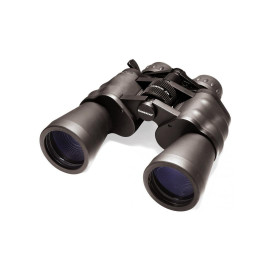
Los prismáticos Tasco Essentials Porro 10-30x50 ofrecen una óptica de alto rendimiento, un exterior resistente con carcasa de goma impermeable. Son muy duraderos, estos prismáticos son ideales para observación a grandes distancias. Lentes completamente tratadas, oculares abatibles y prisma BK7...
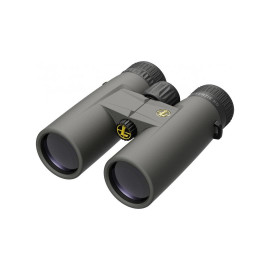
The LEUPOLD BX-1 MCKENZIE HD BINOCULAR will surprise you with its impressive features, at a more than reduced price. Perhaps the best quality / price binocular that you can find on the market. Clear, bright, compact, lightweight, waterproof, resistant... it meets all the...
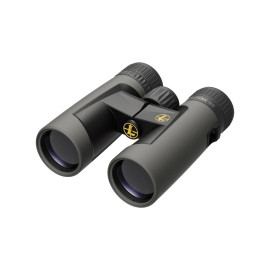
Los Prismáticos Leupold BX-2 Alpine HD - 8x42 cuentan con lentes con revestimiento, adaptador para trípode, tapas abatibles, ruleta de ajuste focal central grande, garantía de 30 años, ofrecen una gran transmisión de luz incluso con poca luz, son ligeros y de diseño ergonómico, resistentes,...
Prismáticos Zeiss Serie Conquest HD son una revolución en diseño, ergonomía y óptica.
Permite una reproducción cromática natural y clara, y un amplio campo de visión. Ofrece imágenes detalladas de la naturaleza a distancias largas y posibilita observaciones prolongadas hasta bien entrado el...
Los Prismáticos Delta Titanium 8x56 ED son profesionales, cuentan con prismas Porro Bak4 de gran calidad óptica, lentes de cristal ED que proporcionan una imagen clara y nítida, revestimientos antir reflejos multi capa, carcasa de aluminio con exterior rugoso para un mejora agarre, son...
Antes de comprar unos prismáticos, debemos ser conscientes del uso que les vamos a dar así como el presupuesto del que dispondremos en la elección a la hora de determinar las características técnicas que escogeremos. A. TIPOS DE PRISMÁTICOS
Dependiendo de la estructura interna de cada prismático (lentes objetivos, sus lentes oculares y el sistema de prismas).
Según el sistema de prismas podemos destacar dos tipos:
De porro: con una mejor percepción de la profundidad y la opción más económica.
De techo: con un cuerpo más pequeño y más ligero.
Según la calidad de los prismas:
Orgánicos: suelen estar fabricado en plástico y son de poca calidad.
Minerales: o vidrio, son la mejor opción y pueden ser BAK-7, más económico y menor calidad en vidrio de boro-silicato o BAK-4 de mayor calidad y con imágenes más nítidas con vidrio de bario.
Según el tratamiento de la lente:
Coated: Revestimiento parcial
Fully Coated: Revestimiento completo
Multicoated: Varias capas de revestimiento
Fully Multicoated: Varias capas de revestimiento completo
CARACTERÍSTICAS PRINCIPALES
Aumentos y abertura:
Los aumentos vienen determinados por la primera cifra técnica de la óptica del prismático, y la abertura por la segunda cifra (ej: 8x40). Por lo general unos prismáticos de uso amateur deben tener entre 7 y 10 aumentos. Así mismo, cuanto mayor sea la abertura mayor será la resolución por lo que tendremos que movernos en un rango entre 30mm y 50mm.
Luminosidad:
Debe encontrarte entre un 3,5 y un 6 para determinar como normal o muy buena.
Campo de visión:
Es la anchura en metro del área visible a través de los prismáticos a una distancia de 1000 metros. Dependiendo siempre de que a más aumentos que tenga nuestro prismático, menor será el campo de visión.
Enfoque:
Suele realizarse a través de una rueda o mediante una leva. La distancia mínima de enfoque es muy importante ya que a veces también necesitaremos observar objetos a una distancia muy corta. Por ello deberá ser como mínimo de 8 metros.
Eye Relief:
Se refiere a la distancia que debe haber entre los ojos y el prismático para que la pupila igual a la visión de salida. Cuanto mayor sea la distancia, más cómodo será.
Montura:
Marcará la resistencia de tus prismáticos antes las adversidades climatológicas. Que sea water resistant o waterproof (sumergibles) y que sean muy resistentes a los golpes son las características deseables en la montura.
DETERMINAR SU USO
Es muy importante antes de tomar la decisión de compra, saber para qué querremos utilizar nuestros prismáticos ya que dependerá mucho las características que le exigiremos para unas ocasiones u otras.
Iniciación o Uso General: lo mejor será optar por prismáticos de 8x40 luminosos, con un campo de visión amplio y tamaño y peso cómodo.
Ornitología: los 8x40 siguen siendo muy buena opción pero si queremos ver aves a grandes distancias optaremos por aumentos mayores sobre le 10.
Uso Nocturno: con un mínimo de 50 aumentos.
Montaña: queremos un prismático ligero y compacto en modelos de 8x30 o 7x30,