El sedal es, sin lugar a dudas, uno de los accesorios más importantes para el pescador. Ser capaz de elegir correctamente el diámetro y la resistencia puede ser el punto que marque la diferencia entre obtener o no resultados en una jornada de pesca.
Una elección que no siempre resulta sencilla, puesto que deberemos tener en cuenta el tipo de pesca que vayamos a realizar, el lugar, la especie... y, como no, nuestros gustos y posibilidades económicas.
El mercado pone ante nosotros una gran variedad de productos: diferentes marcas, tipos de sedal, grosores, resistencias... las opciones son múltiples; lea lo que a continuación le comentamos para no encontrarse perdido cada vez que desee adquirir un sedal.
CONSIDERACIONES PREVIAS
Lo más importante que deberemos tener en cuenta a la hora de seleccionar un sedal es su
resistencia. Ésta no se mide, como muchos piensan, por el diámetro de la línea (el cual variará, como podremos ver, en función de la marca y material de fabricación), sino que se debe tener en cuenta la capacidad de carga de la misma.
Efectivamente, con el fin de regular de alguna manera la diferencia existente entre los sedales que encontramos en el mercado, la IGFA (International Game Fish Association) ha establecido un criterio lógico basado en la capacidad de carga. Esta capacidad determina la fuerza que se le puede oponer a un pez para pescarlo; en eso se basa para la IGFA la intensidad de una pelea y, por consiguiente, el mérito de la captura desde un criterio objetivo.
Echando un vistazo en el mercado podremos comprobar como, para una misma resistencia, existen importantes diferencias entre los diámetros en función de las marcas.
Para que los diferentes sistemas métricos no supusieran un problema, la IGFA creó un criterio de medición de la resistencia a nivel mundial:
| SISTEMA MÉTRICO | SISTEMA INGLÉS | RESISTENCIA |
| 1 kg. | 2.20 libras | 2 libras |
| 2 kg. | 4.40 libras | 4 libras |
| 3 kg. | 6.61 libras | 6 libras |
| 4 kg. | 8.81 libras | 8 libras |
| 6 kg. | 13.22 libras | 13 libras |
| 8 kg. | 17.63 libras | 17 libras |
| 10 kg. | 22.04 libras | 20 libras |
| 15 kg. | 33.06 libras | 30 libras |
| 24 kg. | 52.91 libras | 50 libras |
| 37 kg. | 81.57 libras | 80 libras |
| 60 kg. | 132.27 libras | 130 libras |
Así una línea que presente una resistencia de 2 libras aguantará un peso muerto de 1 kilo; ahora bien, al aumentar unos miligramos más, el sedal podrá romper.
La medida máxima permitida por la IGFA para la pesca deportiva es de 130 libras, mientras que la más ligera que se comercializa es de 2 libras de resistencia.
En su elección deberá tener en cuenta que cuanto menor sea la resistencia de la línea, el grosor también decrecerá y en consecuencia será menos visible para el pez. Pero además no hay que olvidar que un sedal delgado pesa menos que otro de un diámetro mayor y que ofrece una acción más blanda, permitiendo que el cebo se mueva en el agua de manera más natural; por ello y teniendo en cuenta que cualquiera de los cebos que utilicemos tendrá de por sí un peso específico, consideraremos que un sedal pesado ofrecerá con seguridad poca naturalidad.
En su elección, tenga en cuenta el siguiente cuadro de resistencias:
| DIÁMETRO, EN CENTÉSIMAS DE MM | RESISTENCIA, EN KG |
| 0.10 | 0,8 |
| 0.12 | 1,1 |
| 0.15 | 1,6 |
| 0.18 | 2,2 |
| 0.20 | 2,8 |
| 0.22 | 3,2 |
| 0.25 | 4,1 |
| 0.30 | 5,8 |
| 0.35 | 7,9 |
| 0.40 | 10 |
| 0.45 | 12 |
| 0.50 | 15 |
| 0.60 | 21 |
Decidirnos por la resistencia óptima para la pesca que vayamos a realizar no resulta siempre una tarea fácil. Le recomendamos que tenga en cuenta el siguiente consejo:
decántese siempre por una línea cuya resistencia sea el doble que el peso de las piezas capturadas, si va usted a pescar en aguas despejadas; en caso de que lo haga en una zona de vegetación abundante, será mejor una línea tres veces mayor.
Otro de los puntos fundamentales que deben ser tenidos en cuenta en una línea es su
elasticidad; esto es, su capacidad de estiramiento. Así un sedal que sea muy elástico transmitirá tarde los tirones y el empuje realizado al señuelo; mientras que si la elasticidad es poco elástica, será más rápida pero a la vez hará que tanto carrete como anillas sufran.
Un término que debemos conocer al hablar de líneas, es el de la “memoria”, es decir, el nivel de adaptación a una determinada situación. Efectivamente, el sedal se encuentra constantemente alojado en la bobina, si tiene una alta “memoria”, saldrá disparado como si se tratara de un muelle, lo que sin duda afectará al lanzado y a la recogida.
EL MONOFILAMENTO
Es el más comúnmente usado. Se trata de una línea compuesta por un único filamento, que estará realizado principalmente en fibra de nylon; un material que ofrece las mejores cualidades que pueden exigirse:
- Su carga de rotura es de 70 a 80 kilos por mm cuadrado (casi tan resistente como el acero dulce).
- Su límite elástico antes de rotura puede llegar hasta el 30% cuando está seco y al 35% si está mojado.
- Gracias a su especial densidad, en diámetros no demasiados finos, se hunde en el agua.
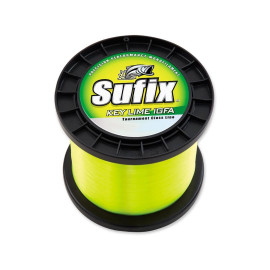
Dentro de los diferentes monofilamentos que encontraremos en el mercado, encontraremos algunos de muy baja visibilidad, de distintos colores (entre los que se encuentra incluso el fluorescente).
Como principales ventajas de esta línea, señalaremos que
resulta enormemente cómoda de lanzar, a lo que se suma su gran efectividad al resultar prácticamente invisible en el agua. Además existen variedades muy flexibles y delgadas pero que a la vez resultan muy fuertes a pesar de su escaso diámetro; son las de alta calidad, que presentan una óptima resistencia a la abrasión (resultan, por tanto, perfectas para los pescadores de roca).
Pero mucho cuidado, los monofilamentos de baja calidad suelen ser enormemente rígidos, no soportan la abrasión y en demasiadas ocasiones el diámetro no es consistente en toda su extensión.
Por eso deberemos prestar especial atención a la relación calidad/precio que se nos ofrece.
Dentro de los monofilamentos, encontramos otros dos tipos de línea: el
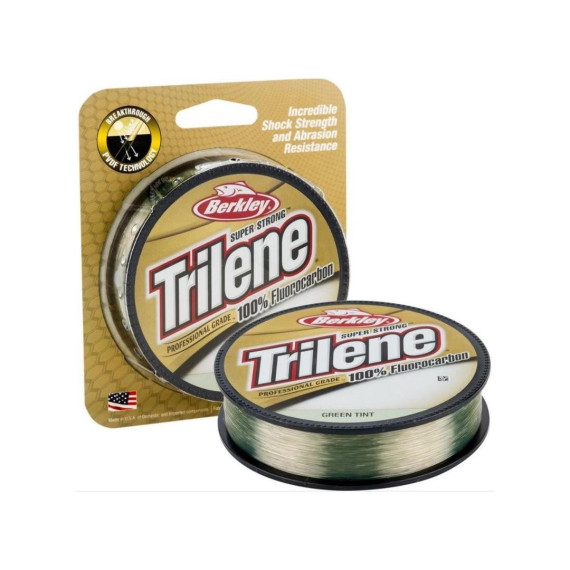
COFILAMENTO, esto es, un monofilamento que cuenta con un recubrimiento especial que le hace más resistente y el FLUOROCARBONO, un polímero de fluorido sintetizado a carbón que resulta prácticamente invisible en el agua al tiempo que ofrece una magnífica resistencia y duración (no absorbe el agua, una de las causas principales que provocan la pérdida de cualidades de cualquier sedal).
DATOS QUE SE DEBEN CONOCER EN UN SEDAL
Además de todo lo anteriormente comentado sobre la resistencia y elasticidad, el fabricante nos facilitará una serie de datos que resultan enormemente importantes a la hora de decantarnos por un sedal en concreto.
Conviene que sepa el significado de cada uno de estos datos:
- Diámetro: grosor de la línea. Normalmente se facilita en milímetros, pero también puede hacerse en pulgadas.
- Peso: indica el peso de la captura que soporta la línea, sobrepasado el cual, romperá. Se expresa en kilos o en libras.
- Peso a la rotura: dato que depende de la elasticidad y de la resistencia de la línea y que está cerca del doble del peso. Dato facilitado en hilos o libras.
- Longitud de la línea: su tamaño. Expresado en metros o en yardas.