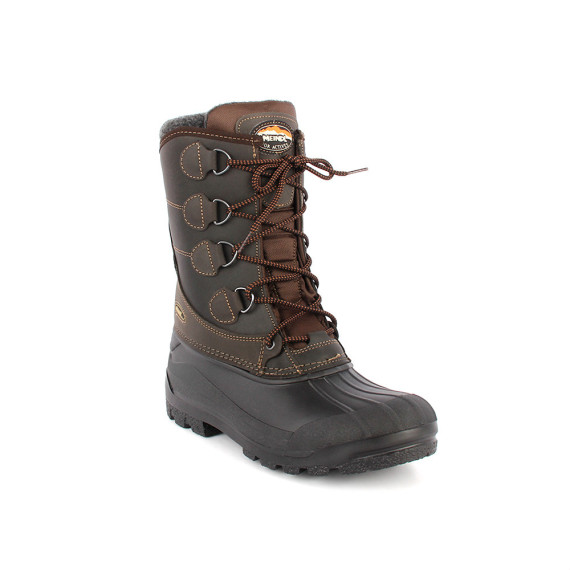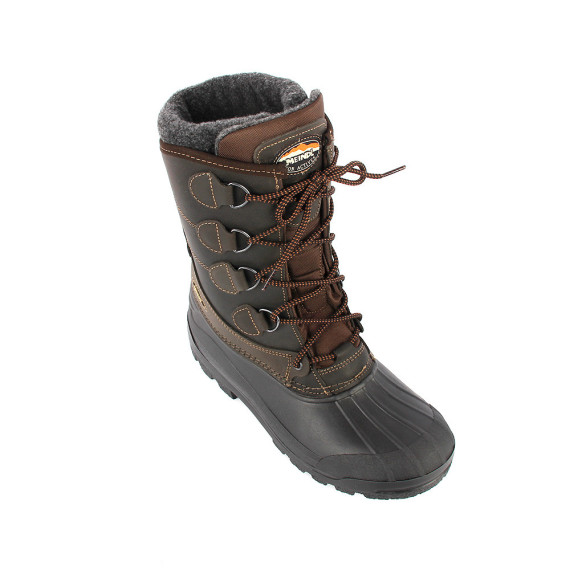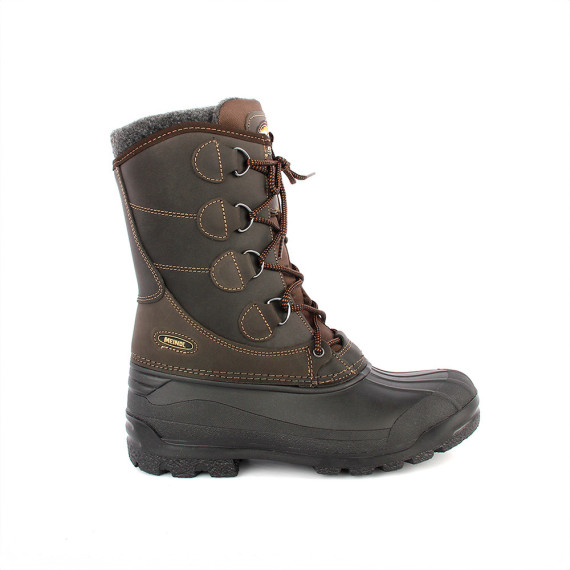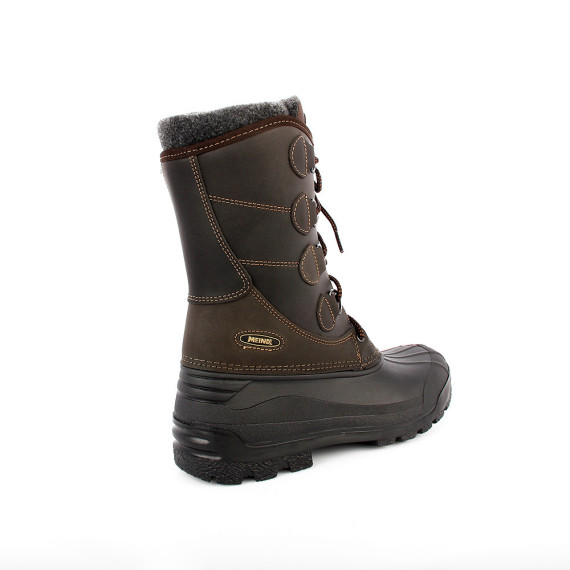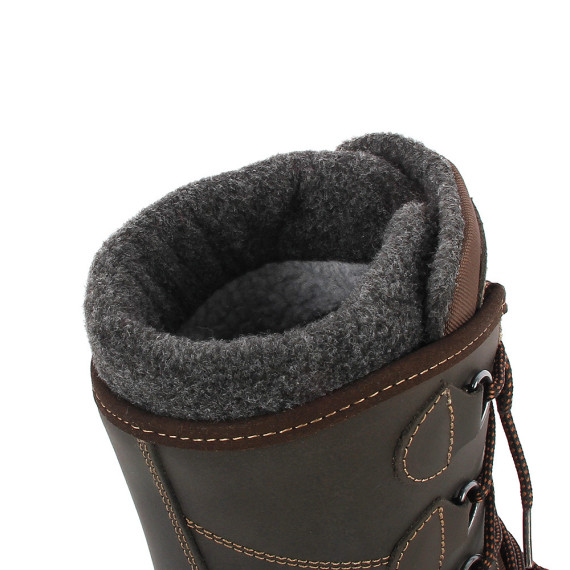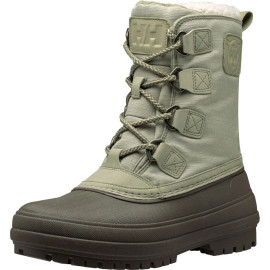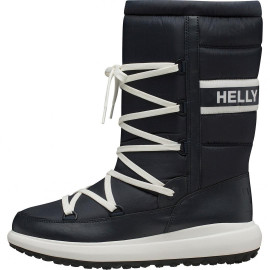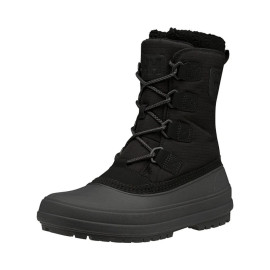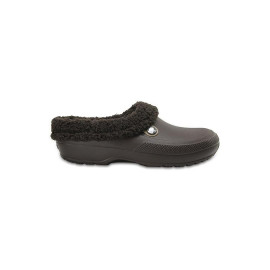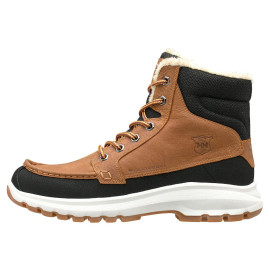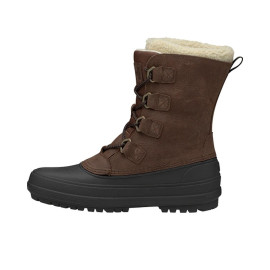

High boots, ideal for waiting, which will keep your feet and ankles always comfortable and protected.
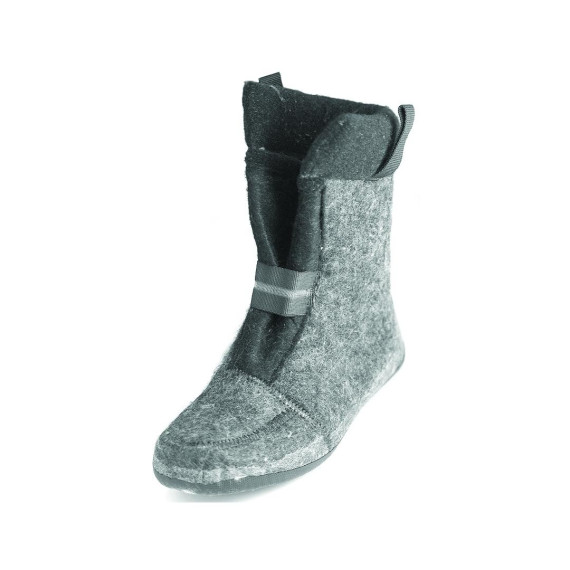
They're probably one of the best boots for very cold climates. They are suitable for temperatures down to -25oC. It has a removable sock that will provide comfort and warmth.
Its bottom is made of high-quality rubber, which will give it total resistance to water and moisture.
Maximum adaptability, stability and comfort, not to mention sweating and water resistance.
Removable sock
Suitable up to -25oC
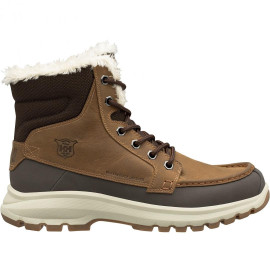
Size guide Footwear Meindl

Tips for choosing your hiking boots
Let's focus on 5 main points to make a good choice:
ROD LENGTH
This can be medium or high. The choice will depend on the terrain you want to access. A boot with a medium length (approx. 12 cm high) is more comfortable than a boot with a high shaft (approx. 16 cm high), but the latter helps to protect the heel.
SOLE
A good grip is absolutely necessary regardless of the terrain we are on. Vibram is the most prestigious technology in the market, although there are also others such as Contragip. They are good options for different surfaces and also offer resistance to temperature changes and long life.
MEMBRANE
The membrane is the technology that will make our footwear remain waterproof and breathable. The most coveted membrane is Gore-Tex, as it provides long-lasting waterproofing and high breathability. In addition, there are other technologies such as Inner Plus, IsoTex or OlanTex.
In case you are new in this world, choose a cheaper membrane than Gore-Tex. But if you already have experience, do not hesitate, always choose Gore-Tex.
It is also essential that our choice has a repellent membrane such as hydroseal, climashield or the world famous waterproof.
MATERIAL AND WEIGHT
It should be noted that the weight of the boot itself will vary depending on the material in which it is made. Leather boots, for example, tend to be heavier and less breathable than the new synthetic materials which, in addition to reducing the weight of the footwear, increase breathability.
Among the most common materials are synthetic cordura and split leather, while in leather we will find nubuck and grain leather.
CRAMPONABLE OR NOT
If you are going to use your hiking boots during the winter, it is recommended that your footwear be prepared for automatic or semi-automatic crampons, which have notches in the heels and/or toes.
Automatic crampons require the boots to be prepared and have the necessary notches to be able to place them. On the other hand, semi-rigid boots with notches in the toe cap can adapt strap crampons for routes in snow or even ice.
Boots Meindl
(Juan jose Jardon Alba)
Please, login to leave a review