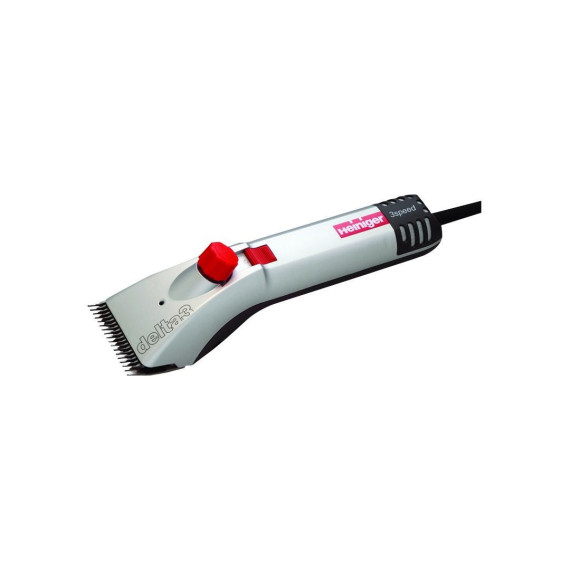
180-watt powerful and silent machine, with three variable speeds. Optimum inclination angle(13º) to minimise hand fatigue when clipping and prevent horse hair from stucking the clipping head. Built-in blades, compatible with other clipper brands. Ergonomically designed and ultra lightweight clipper (1.250 Kg). Comes supplied with carry case.
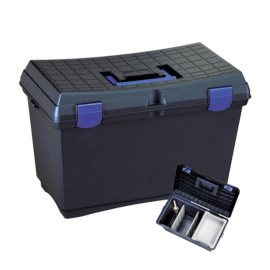
La Caja de Llimpieza Zaldi Grande 515x287x338 mm cuenta con gran capacidad, bandeja y separadores para organizar el almacenamiento, y asa para transporte. Características: Caja de limpieza: De gran capacidad, para guardar diferentes artículos. Asa: Para transporte. Compartimentos:...
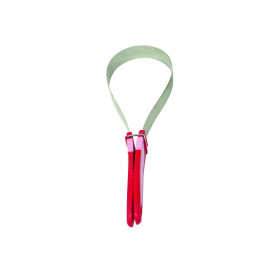
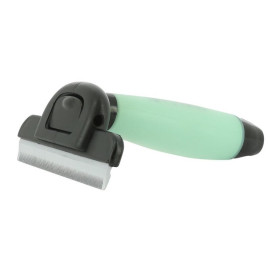
Peine para Muda de Gel Hippotonico Para eliminar fácilmente el pelo muerto cuando su caballo muda. En acero inoxidable. Mango de ABS con gel de memoria. Tapa final perforada fabricada en ABS chapado en aluminio.
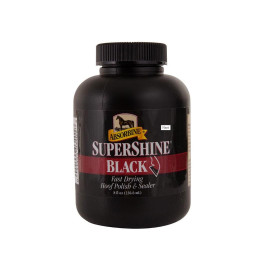
Pulidor y sellador de casco de secado rápido Absorbine Supershine .
En climas húmedos o con suelos mojados, se puede usar para sellar e impermeabilizar el casco.
Acabado brillante, muy atractivo.
Ideal para preparar a tu caballo para concursos y competiciones.
Contenido: 236 ml.
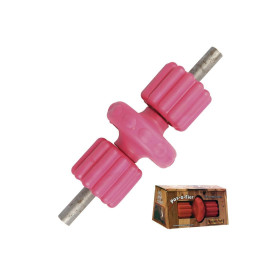
The best way to keep your horse entertained and prevent it from acquiring vices. Ideal for stages in which the horse must remain stabled for a long time. With an extraordinary aroma of apple, this toy reduces the boredom of the horse in the stable, while preventing it from chewing on the wood....
Si va a esquilar tú mismo a tu caballo, te recomendamos que tengas en cuenta los siguientes puntos:
El día antes del esquilado, intenta que su animal realice bastante trabajo; pero no el mismo día del esquilado puesto que no podrá cortar una capa sudada.
Antes de esquilar, cepilla su cuerpo a fondo, ten en cuenta que si la capa está limpia será mucho más fácil de esquilar.
Prueba siempre la máquina antes de ponerte manos a la obra (debajo del cuello es una buena zona). La máquina funcionará correctamente siempre y cuando las cuchillas se deslicen por el pelo cortando con facilidad, sin necesidad alguna de hacer fuerza.
Si notas que la máquina no está cortando con suavidad, para de inmediato: las cuchillas que se enganchan pueden dañar al caballo.
Corta siempre a contrapelo.
Trabaja el cuerpo del animal desde delante hacia detrás. Procura ir tapando la zona esquilada con una manta (a ser posible de yute, ya que en las mantas de lana los pelos recién cortados pueden engancharse).
Corta a tiras, que irán de forma paralela.
Mantén las cuchillas siempre planas. Esto es muy importante, puesto que si inclinas las cuchillas demasiado hacia la piel del caballo puedes producirle un severo corte en la piel.
Si te encuentras en una capa gruesa, pasa dos o incluso tres veces sobre la misma, profundizando poco a poco.
Si notas que el caballo muestra signos de cansancio, déjalo descansar y aprovecha para hacerlo tu también.
Sobre todo en el momento de esquilar la parte interior de las piernas, pon cuidado en que el caballo no se mueva, ya que podrías producirle una lesión de importancia. En caso de que te des cuenta de que va a moverse, procura detenerlo sujetando la cola.
Ten en cuenta que las zonas más sensibles del animal son: la cabeza, el bajo vientre, y la parte interior de las extremidades. Es fundamental que procedas a su corte con las cuchillas de la máquina en frío.
Para las zonas difíciles de alcanzar (pelo de la garganta, entre los remos anteriores y entre las piernas), estira la piel sobre el hueso o la carne de debajo con la mano que le queda libre; esto te facilitará el acceso de la máquina.
Cuando finalices el proceso de esquilado, cepilla de nuevo al caballo y ponle una manta por encima.
Limpia la máquina a fondo y déjala siempre con las cuchillas sin montar.